
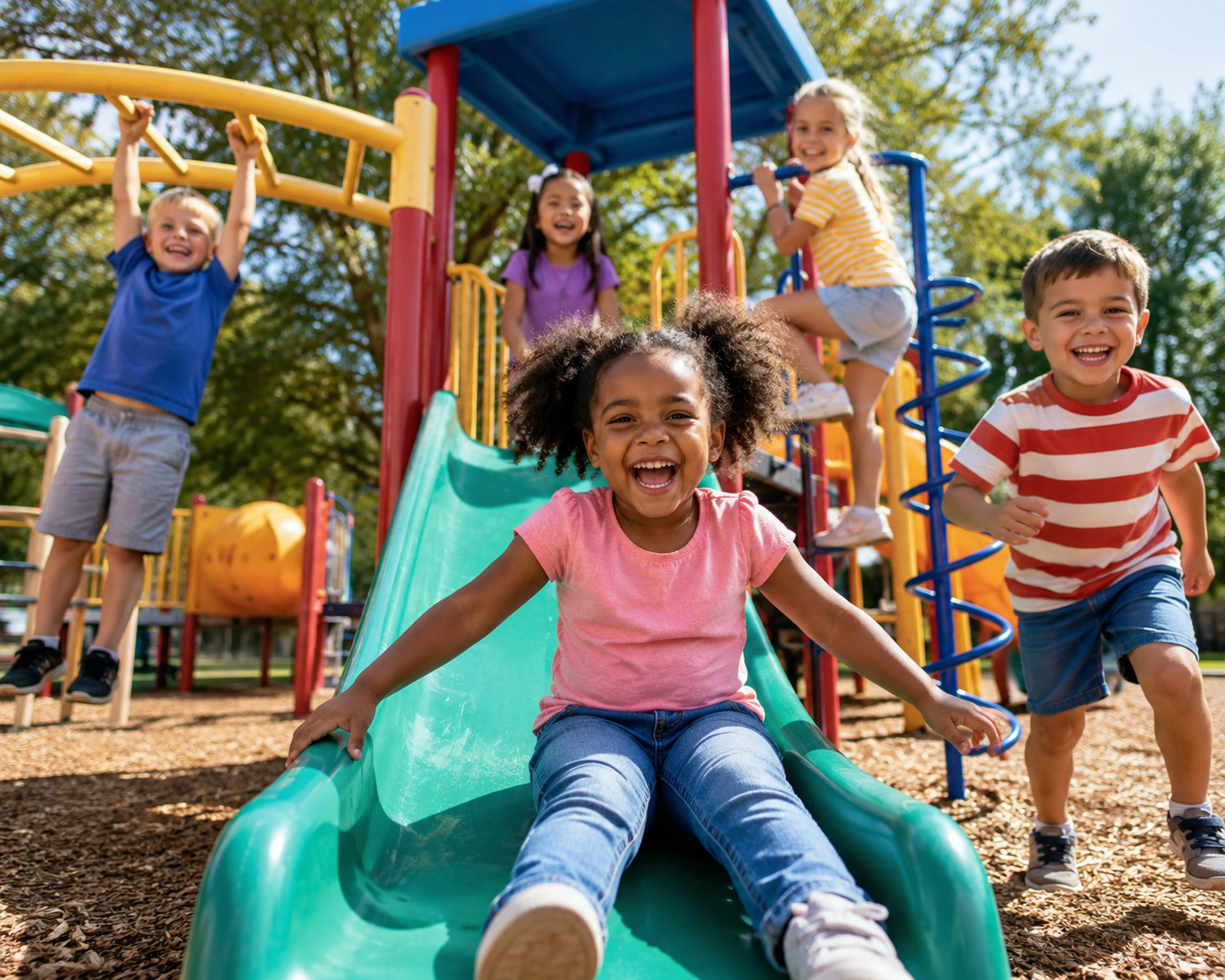
Children Develop Self-Esteem
Children develop self-esteem through positive relationships, successful experiences, encouragement, opportunities for independence, and feeling valued, respected, and capable within their environment.
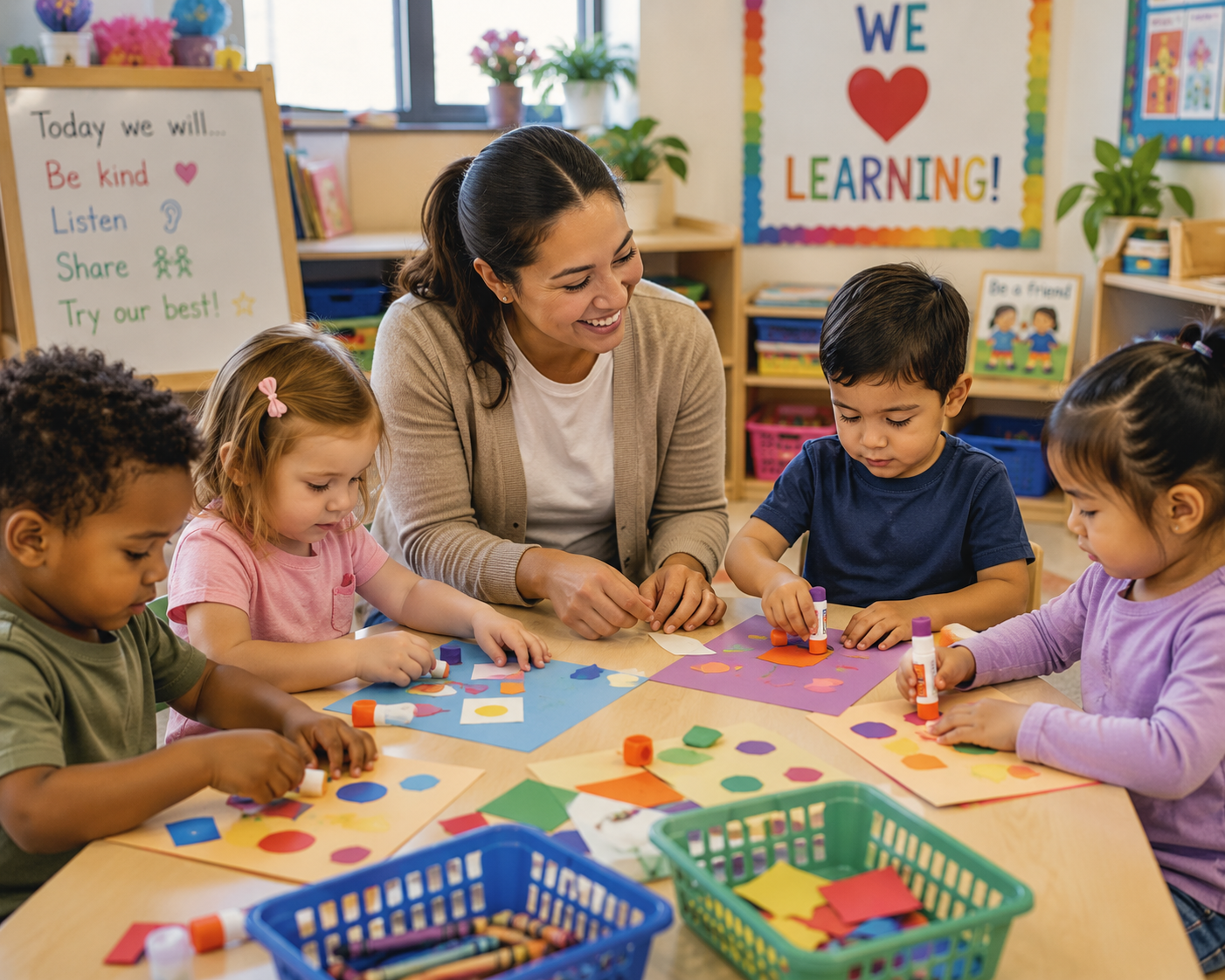
Teacher's Role
Teachers play a vital role in building children's self-esteem by creating supportive relationships, recognizing effort and growth, encouraging independence, and helping every child feel valued, capable, and included.
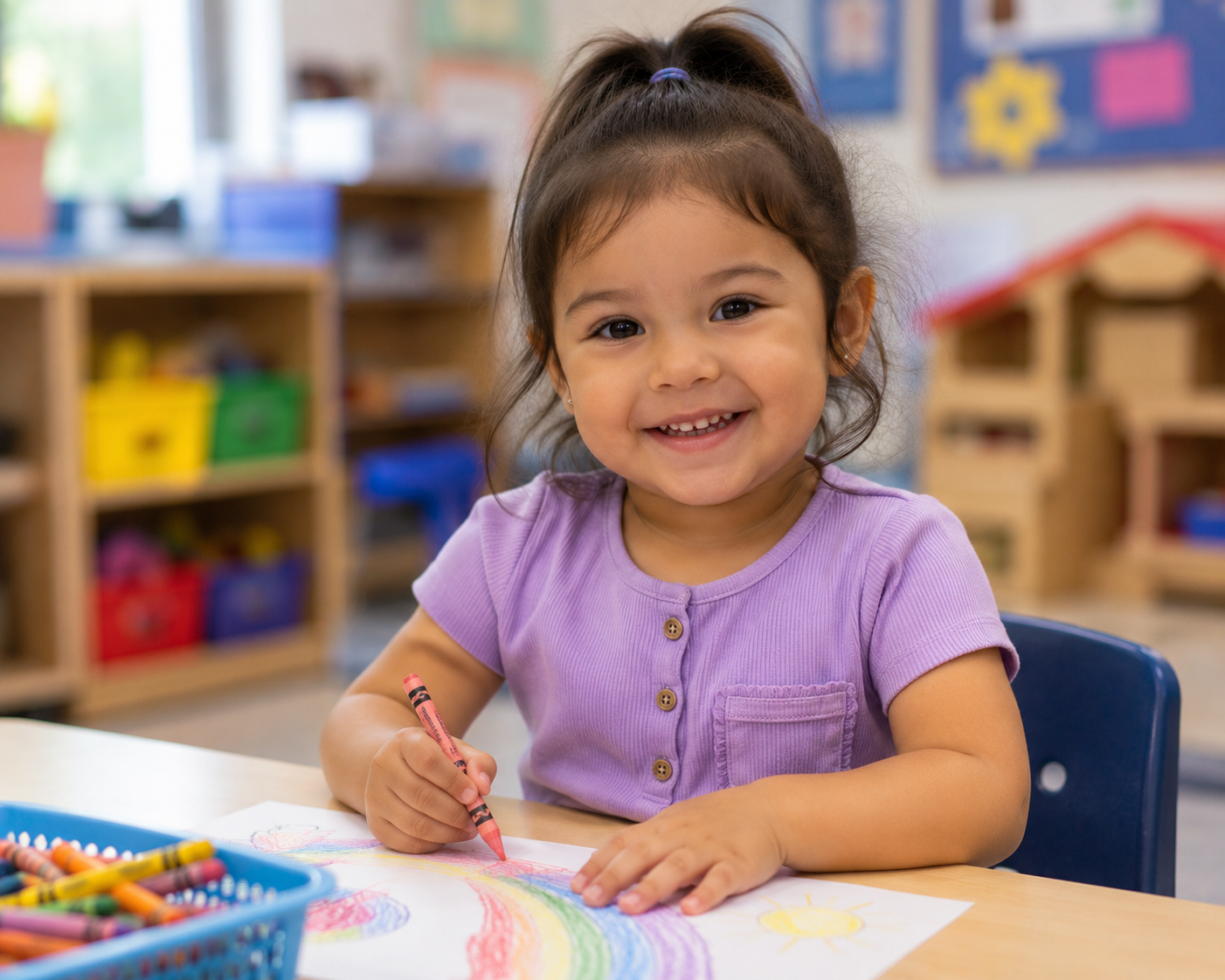
What is Self-Esteem
Self-esteem is a person's overall sense of self-worth and confidence, developed through experiences, relationships, accomplishments, and how they perceive themselves.
About the course
This course provides teachers with the knowledge and practical strategies needed to help children develop confidence, resilience, and a positive sense of self. During the course, participants learn how self-esteem develops, the impact adult interactions have on children's self-perception, and ways to create supportive classroom environments where every child feels valued and successful. Teachers will explore topics such as descriptive praise, encouraging independence, developmentally appropriate expectations, offering meaningful choices, and helping children build competence through everyday experiences. By understanding how to intentionally support self-esteem, educators can strengthen children's social-emotional development, improve behavior, increase engagement in learning, and help children develop the confidence they need to succeed both in school and throughout their lives.

Dr. Rhonda Crabbs
Introduce yourself to your audience. How did you become an expert in your field? What challenges did you face on your way to success? How did you overcome them? Why are you excited to share your knowledge? What is your biggest goal with regards to teaching?
Curriculum
-
-
(Included in full purchase)
Definition
-
(Included in full purchase)
Self-esteem vs. self-confidence
-
(Included in full purchase)
How Self-Esteem Develops
-
(Included in full purchase)
Impacts Learning
-
(Included in full purchase)
Supports Social Relationships
-
(Included in full purchase)
Promotes resilience and Problem-Solving
-
(Included in full purchase)
Influences
-
(Included in full purchase)
Reflection
-
(Included in full purchase)
Adult Interactions Shape Self-Perception
-
(Included in full purchase)
Importance of secure attachments
-
(Included in full purchase)
The Role of Trst and Emotional Safety
-
(Included in full purchase)
Successes and Failures
-
(Included in full purchase)
Peer Relationships
-
(Included in full purchase)
Independence and Responsibility
-
(Included in full purchase)
Feeling Valued and Included
-
(Included in full purchase)
Welcoming and Inclusive Environments
-
(Included in full purchase)
Building Strong Relationships
-
(Included in full purchase)
Helping every Child Feel they Belong
-
(Included in full purchase)
Focus on Effort Rather than Outcomes
-
(Included in full purchase)
Descriptive Praise versus Empty Praise
-
(Included in full purchase)
Quiz
-
(Included in full purchase)
Building a child's self-esteem.
Self-esteem is how children see themselves and how they feel about their own abilities, value, and worth. When children develop healthy self-esteem, they are more confident, willing to try new things, build positive relationships, and recover more easily from challenges and mistakes.
$15.00