
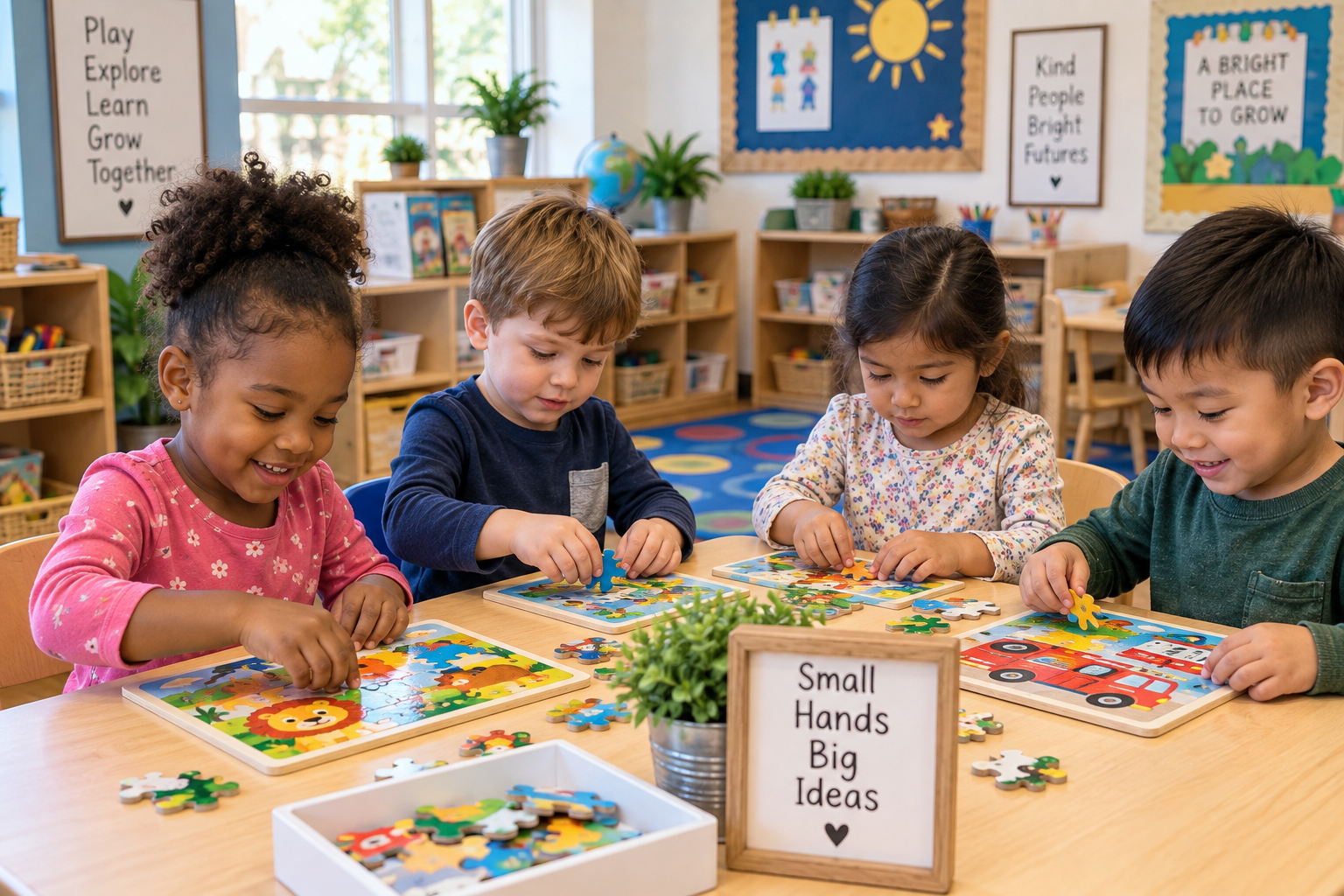
Theorist
Child development theorists are researchers and educators whose ideas help explain how children grow, learn, think, communicate, develop relationships, and respond to their environment.
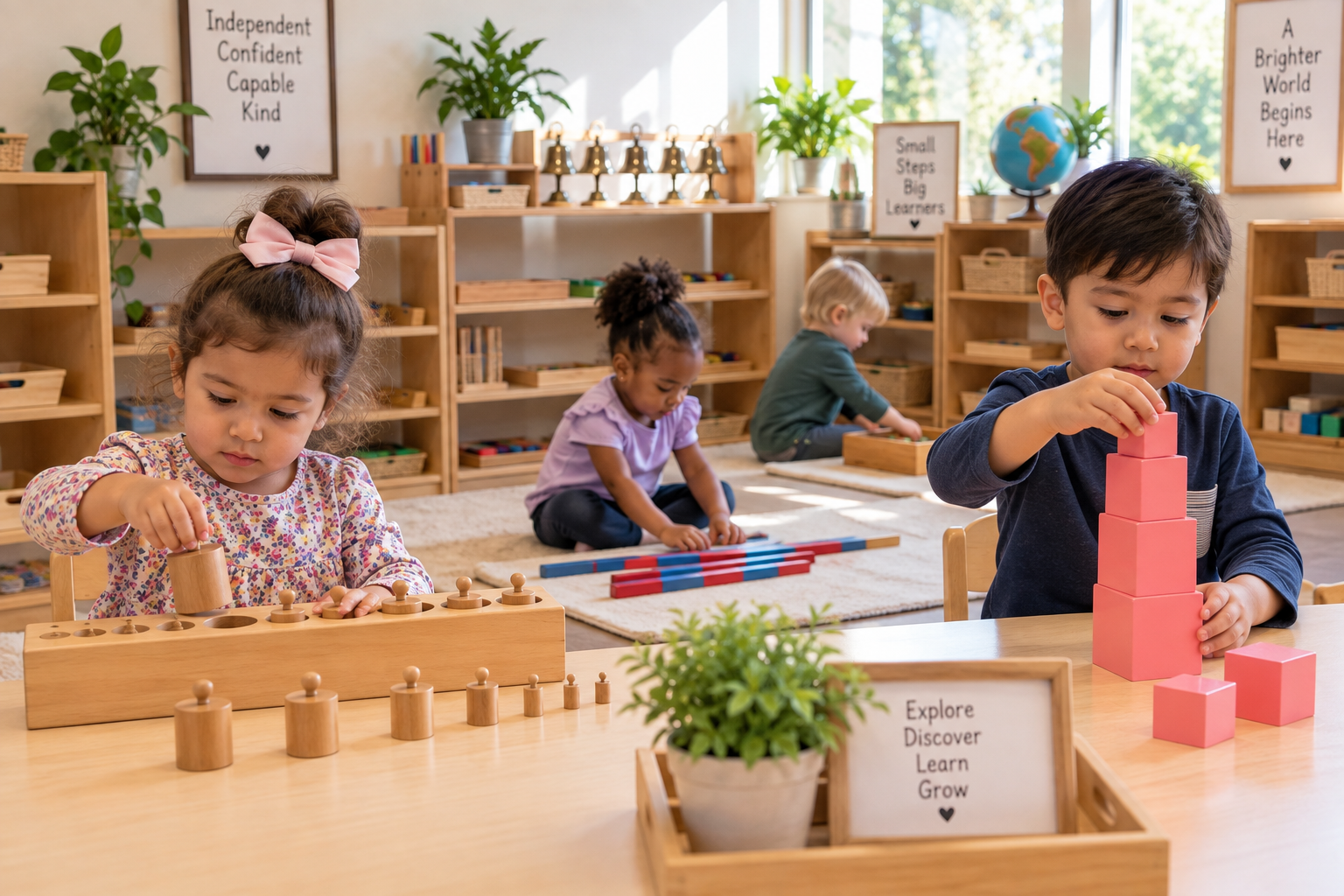
Montessori
Maria Montessori believed children are capable, active learners who develop independence through hands-on experiences, meaningful choices, and a carefully prepared environment.
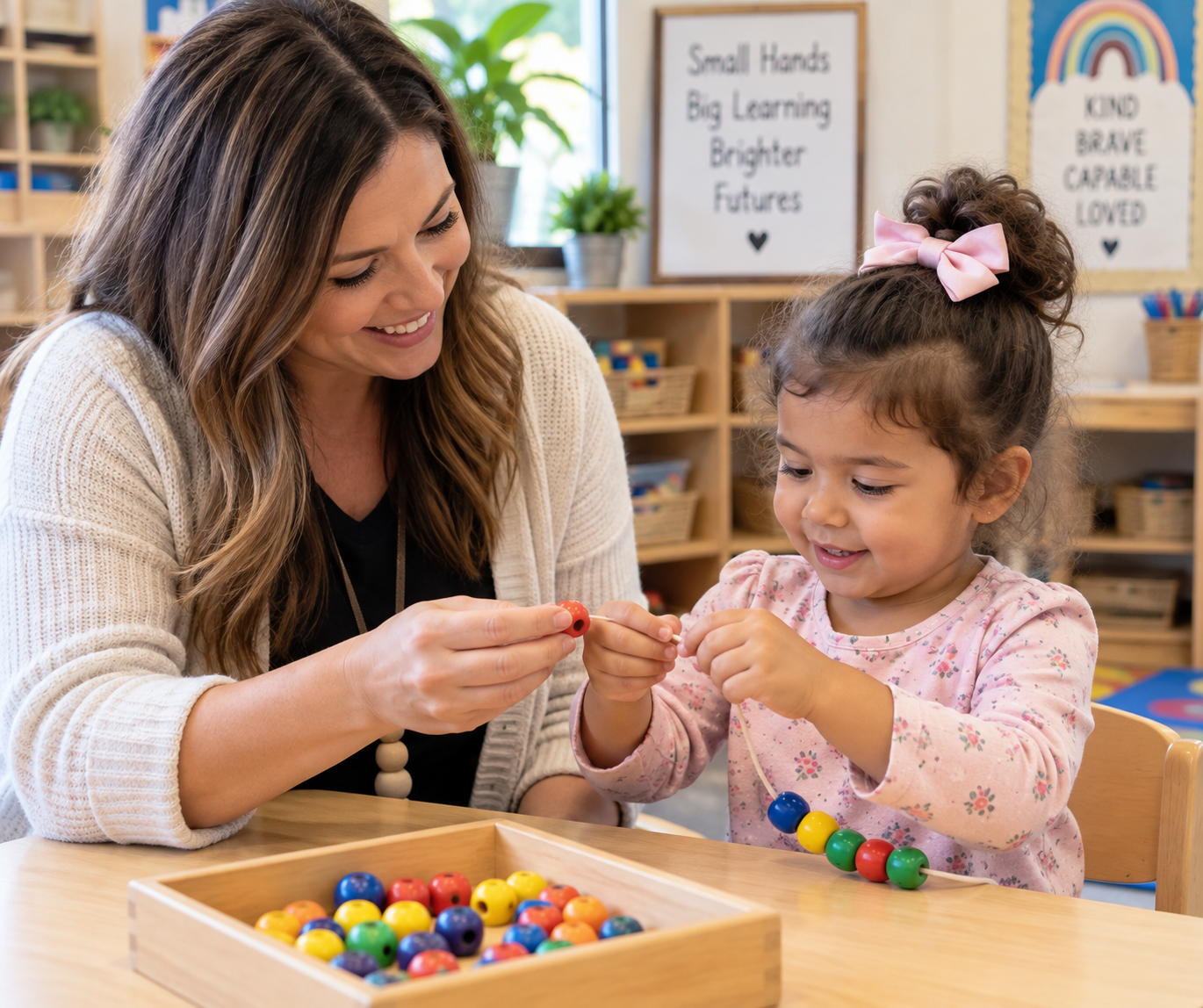
Scaffolding
Scaffolding is a teaching strategy in which an adult provides temporary support to help a child complete a task or learn a skill they cannot yet accomplish independently. As the child becomes more capable, the teacher gradually reduces the support until the child can succeed on their own.
About the course
This course introduces early childhood educators to four influential child development theorists: Maria Montessori, Jean Piaget, Erik Erikson, and Lev Vygotsky. Participants will explore how each theorist explains children's learning and development, including independence, cognitive growth, social-emotional development, relationships, language, play, and social interaction. Teachers will learn how to apply these theories through developmentally appropriate classroom practices such as hands-on learning, prepared environments, exploration, scaffolding, meaningful choices, responsive relationships, and intentional teacher-child interactions. Throughout the course, educators will connect theory to real classroom experiences and develop practical strategies for supporting the whole child from infancy through the preschool years.

Dr. Rhonda Crabbs
Rhonda Crabbs is an early childhood education leader, trainer, and curriculum specialist with extensive experience supporting educators, children, and families across Texas. She is the founder of Shade Tree Learning, an organization dedicated to providing high-quality professional development, CDA support, and leadership training for early childhood professionals. Through Shade Tree Learning, Dr. Crabbs offers instructor-led webinars, director credential programs, curriculum support, and practical training designed to strengthen early childhood programs and empower educators.
Curriculum
-
-
(Included in full purchase)
Whole Child
-
(Included in full purchase)
How to Use this Course
-
(Included in full purchase)
-
-
(Included in full purchase)
Central Idea
-
(Included in full purchase)
Important Montessori Concepts
-
(Included in full purchase)
Montessori Video
-
(Included in full purchase)
From Theory to the Early Childhood Classroom
-
(Included in full purchase)
Reflection
-
(Included in full purchase)
-
-
(Included in full purchase)
Central Idea
-
(Included in full purchase)
Important Piaget Concepts
-
(Included in full purchase)
Infants
-
(Included in full purchase)
Preschoolers
-
(Included in full purchase)
Piaget in Practice: Classroom Application
-
(Included in full purchase)
-
-
(Included in full purchase)
Central Idea
-
(Included in full purchase)
Trust vs. Mistrust — Infancy
-
(Included in full purchase)
Autonomy vs. Shame and Doubt — Toddlerhood
-
(Included in full purchase)
Initiative vs. Guilt — Preschool Years
-
(Included in full purchase)
Teacher Reflection
-
(Included in full purchase)
-
-
(Included in full purchase)
Central Idea
-
(Included in full purchase)
Social learning
-
(Included in full purchase)
Culture and Development
-
(Included in full purchase)
Language as a Learning Tool
-
(Included in full purchase)
Zone of Proximal Development (ZPD)
-
(Included in full purchase)
Scaffolding
-
(Included in full purchase)
Teachers can Scaffold
-
(Included in full purchase)
-
-
(Included in full purchase)
Conclusion
-
(Included in full purchase)
-
-
(Included in full purchase)
Quiz
-
(Included in full purchase)
Start the course today and discover how child development theory can transform everyday classroom moments into meaningful opportunities for learning and growth.
Turn Child Development Theory Into Better Teaching Understanding child development theory is about more than remembering names and concepts—it is about becoming a more intentional early childhood educator. Montessori, Piaget, Erikson, and Vygotsky help us understand why children learn, behave, communicate, explore, and interact the way they do. Through this course, you will gain practical strategies you can immediately use to encourage independence, strengthen relationships, support problem-solving, scaffold learning, promote language development, and create meaningful hands-on experiences. When you understand how children develop, you can make better decisions about how you teach them.
$25.00